


1/1/21 Hospice Aide ~ Real Talk
- Jan 1, 2021
- 5 min read
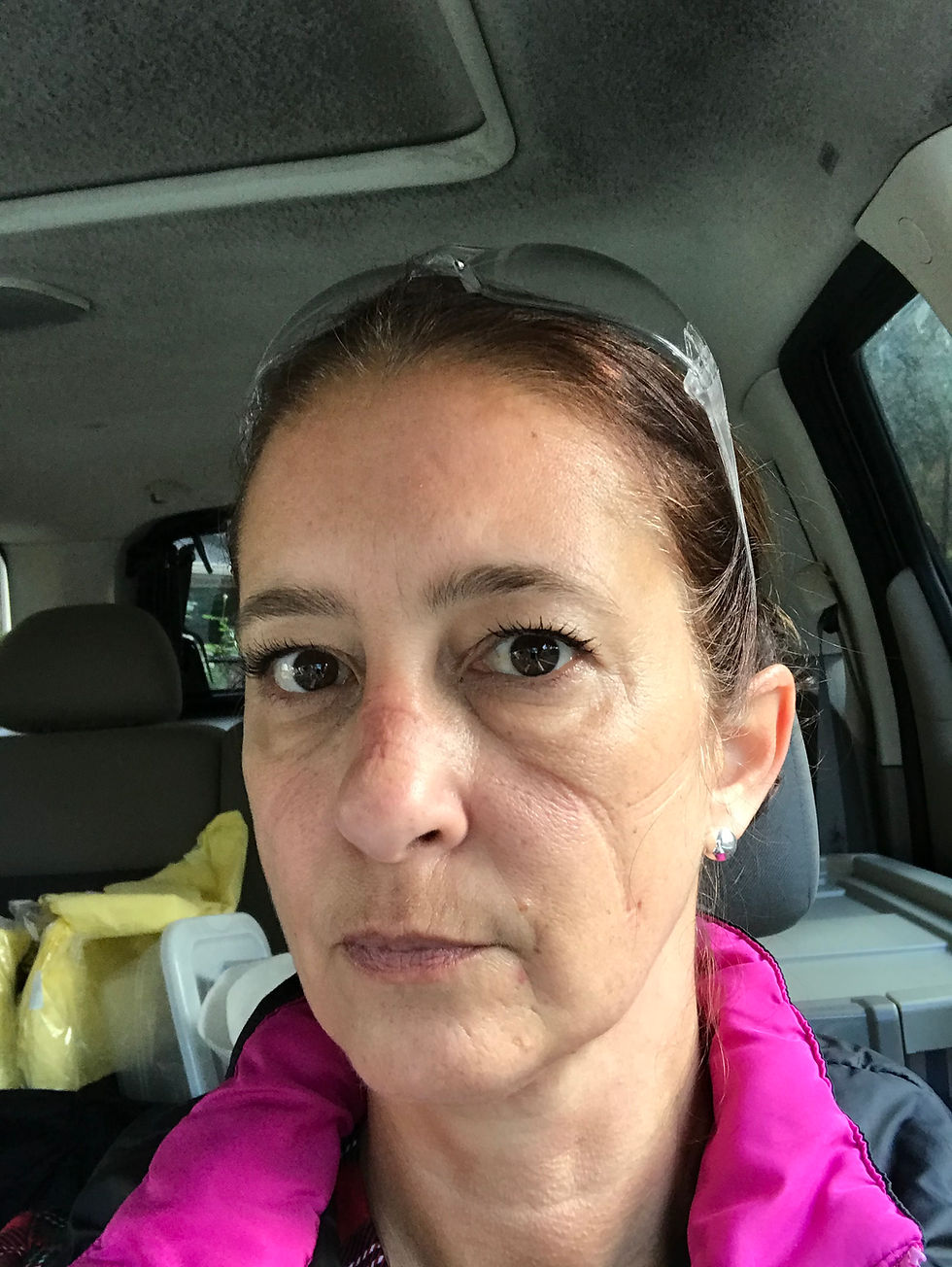
Happy New Year friends. As you know I am a hospice field CNA. This means I go around from homes to facilities to see patients. I just wanted to share some real talk about things I see, walk into, and experience.
When I get a new patient I get very general information in what is called a face sheet. I also get a PCP which is a patient care plan that tells me what needs to be done, per their RN Case Manager, at each visit. These are the basic and bare minimum pieces of information I get as a Care Aide.
From here what happens is the communication starts. I call the new patient to confirm a time of arrival on their day of service. I then send an email to my care team for this patient to introduce myself and let them know what days and time I will be seeing our mutual patient and to just establish that first “hey, I'm out here, I will be taking care of this patient and I plan on communicating with you, please communicate back with me”.
As the CNA on the team, as we have discussed in previous blogs, I often see the patient more than anyone on the team. This means from the moment I walk into that “home”, whether it be a personal house or their room in a facility or rehab center, I start observing.
There are so many things my eyes and ears are watching and listening for. Based on this patient's care plan and face sheet does everything appear to match up. Does the care plan say SHOWER EACH VISIT yet the family is telling me they aren't getting out of bed any longer? Does the patient seem to be in pain upon trying to care for them? Does the family seem nervous or worried? Do they seem to be flailing trying to figure out how to care for their loved one or are they confused about medications. Does the home appear safe? Does the patient seem fearful of anyone? Is the area they are in safe and free of hazards? How is the patient while you are giving them care? Do they seem to be in pain based on physical ques? Do they seem annoyed or agitated? Are they confused and unable to follow commands?
So many things go into that first visit and all the visits to come.
Each and every patient and their family is different. Some families are very protective and want to jump in and help with care and show you what that loved one likes and how they do best. Some families are terrified and you can just tell they feel thrown into the caregiving role and they are overwhelmed and have no idea or confidence in what they are doing. Some want to watch you give care, some give privacy. The dynamic is different each and every door I walk through.
Many people don’t have a full grasp of what a hospice CNA does on a daily basis. We don't just go from house to house and place to place showering and lotioning and putting fresh clothes and sheets on. If that is all we did we would miss very important parts of our job.
We are constantly thinking and watching and gauging the patient we are caring for. Are they stiffer today? Is the family saying they haven't eaten since my visit two days ago? Has their breathing changed? Any skin changes or visible sores beginning? Have they not had a bowel movement in the last 4 days? Is there always sweet Momma becoming agitated in the evening and trying to get up in the evening and crying out? Do they have bruising we didn’t see last time? If we normally shower them and they are weak and not able to make it to the shower, why and is this a new everyday thing? Are they running low on supplies?
We are also watching the family and the caregivers. Hospice focuses on the whole family. We are watching for caregiver burnout, fears, sadness, need of emotional support, difficult family situations and even possible abusive family members. All of those would be directly reported to the patients care team.
All this information we observe then has to be reported through email to that patients care team. In my organization, we report these changes to the patients RN Case Manager, Team Leader and our CNA Schedulers as well as our direct supervisor if we feel they need to directly get the email. We also have access to that patient's Social worker if needed.
So my real talk is this…..
I walk into some homes that are lovely and clean and seem loving and normal and everyone is pitching in and helping and it is wonderful. I would say that is 60% of the situation. The other 40% can honestly be hot messes. You go in and it's dirty and they are not medicating properly because they don’t understand and are scared to administer meds. They don’t have clean towels and washcloths or even clean bed sheets for that matter. I have cut up t-shirts to bathe patients and made their beds with clean tablecloths just so I leave knowing they are clean. I have had to wade through piles of trash and dirt to get to a patient's bedside. They don’t know how to properly change an adult's brief in bed so they have been in the same dirty one for two days. They have nasty bedsores that aren’t being attended to and repositioned off of properly so they are in pain and the family is so lost and distraught and plain old scared.
I follow a lot of groups that are about Hospice and End of Life. I do that to try to be able to help those who are out there in desperation reaching for a lifeline. The thing I take away most from those groups is this though…..
Hospice and dying at home is not what most think it is. Hospice is a WONDERFUL thing. It is NOT a 24/7 staff at your house to help your loved one pass. Many people have the idea that when they bring on hospice that a medical professional is going to be there day and night. It is not that. It is a team of medical professionals that help YOU, the family, care for your loved ones at home. We give you the tools and knowledge of how to care for them. We are there as a lifeline when needed and we bring the care, supplies and medicine to you. But at 3am when your loved one needs a brief change or they are up in pain and agitated it is up to the family to use the tools put in place or make those phone calls and wait for a nurse to come. You are never alone as far as help being a call away but the brunt of the responsibility is yours.
Hospice is a wonderful thing. Hospice is not for everyone and the emotional and physical toll it takes on those caring for their loved one is BIG! It’s a hard thing. But, it is so worth it.
As a hospice worker I feel what I do and where I come in is a very sacred and intimate time in a person's journey. There are very smooth journeys and there are very unsettling and rough journeys. I would be lying if I didn’t tell you that they affect me. Some in ways I will never forget or could explain. I feel what I do matters. It is an honor. It is a calling. Most of the time that calling is very special and tender and loving and precious but I am here to say that some times that calling is hard and heartbreaking and heavy.
That’s all. I just had all of these things in my head and wanted to just share some “real talk” with all of you! Thanks for reading…. Until next time! ~ Christa


Comments