


06/13/21 What does a hospice CNA do?
- Jun 13, 2021
- 3 min read

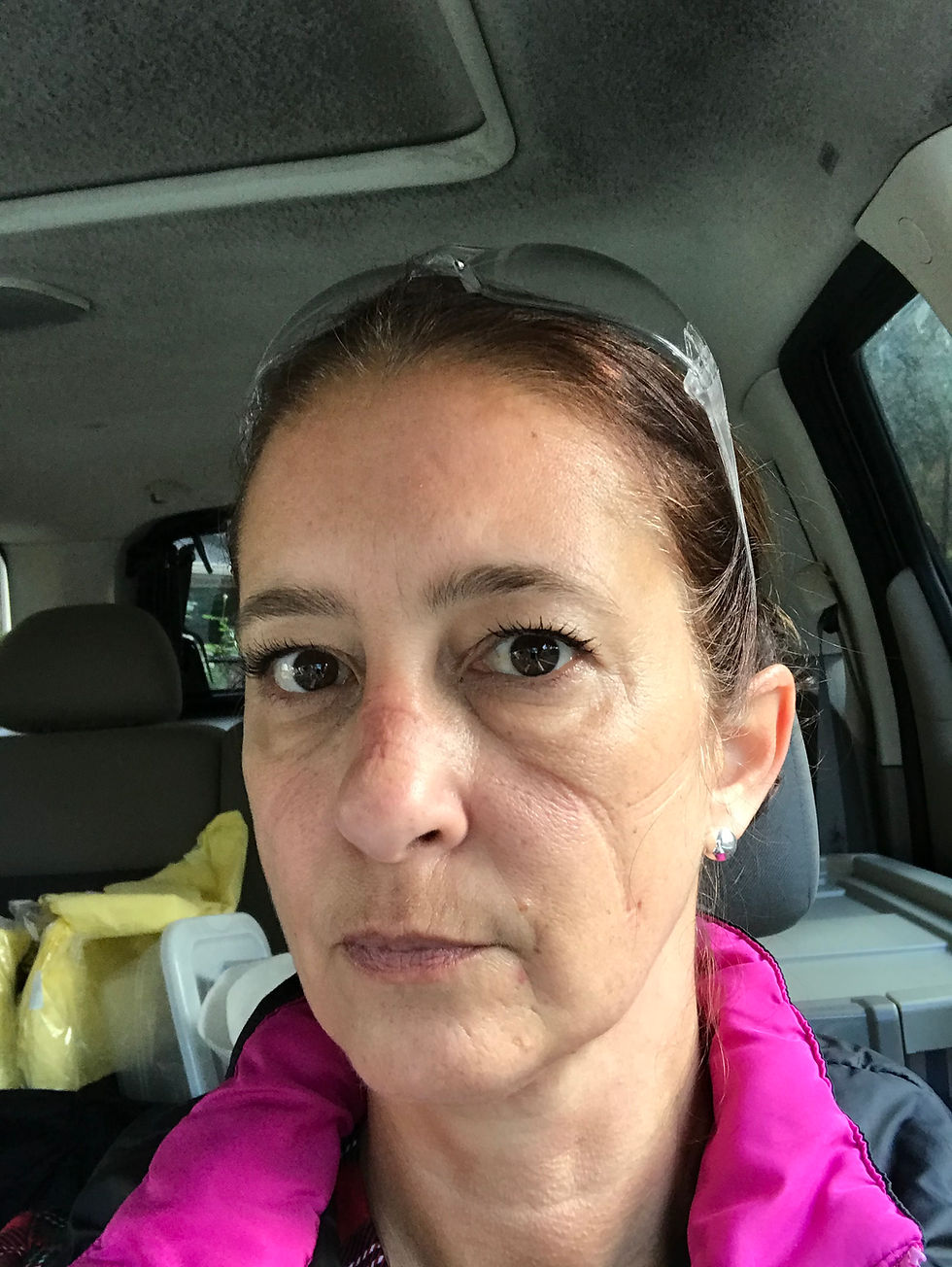
Upon admission to hospice you are given a ton of information about your care team and the plan of care for you or your loved one. It can feel a bit overwhelming. You now have doctors and nurses and social workers and chaplains and spiritual care counselors and an option of a CNA. I am a hospice CNA. I would like to take a minute to help you understand that piece of your team. I find so many times I show up and the family or patient has no idea what we are there for.
My job with the hospice I work for is one of the most intimate and often times crucial part of what your hospice team does. As a hospice CNA, out in the field, going into homes and facilities, we are often the person your loved one will see the most and will become the closest to. This is because the nature of what a hospice CNA does is very intimate and personal.
A hospice CNA will come see the patient anywhere from 1 to 7 days a week depending on the level of care needed. Most visits with your CNA will take from 45 minutes to 1 hour. A hospice CNA is the personal care piece of the puzzle. When I go to see a patient I can expect to do different varieties of the following depending on the patients abilities and health:
- shower or bed bath
- wash hair
- oral care
- change briefs or incontinence products
- change clothes or get dressed for the day
- inspect the body for any changes or skin breakdown
- observe the patient for increased weakness or decreased cognitive function
- observe for comfort and pain level
- catheter care and cleaning/emptying of bag
- repositioning bed bound patients
- nail care (we can not cut finger or toe nails)
- if male assist with shaving of face
- prepare a light meal or snack
- offer a beverage
- assist patient from bed to wheelchair or recliner
- take out any trash that we made while caring for patient
- change linens and/or make the bed
- place dirty linens and clothing into the laundry area
- straighten up the patients immediate area such as bedside tables
- report to nurse case manager any changes we observe in patient health
The other things we do are some of the most important things to me. We listen, we chat, we talk about their families with them. We listen to their fears and concerns. We allow a safe space while giving care for them to open up and share things with us. As the part of the team that the patient sees the most, we are constantly watches for changes in health and reporting them to the nurse. We are also watching the family or friends caring for the patient to assure they are OK. Do they seem sad, mad, overwhelmed, confused about care? We come in and help with care for obvious health reasons but also for many other reasons. It helps them maintain dignity, gives the caregivers a break, it gives them someone who is there just to pamper them and make certain they are comfortable and clean, it also gives them a little companionship as you form those so very important heart connections.
I have had the honor of caring for many people on their final part of their journey. It is a sacred and special thing I get to do everyday. They each have given me more fulfillment then I could ever give them. I am forever thankful for everyday that I get to go and see every one of them.


Comments